Operating a high-traffic shopping mall kiosk demands meticulous strategic planning. You need equipment bridging tight spatial constraints and aggressive revenue targets. Mall rent costs run exceptionally high. Your operational footprint remains incredibly small. Many kiosk operators unfortunately fail early on. They wrongly select consumer-grade units lacking true durability. These residential appliances cannot handle peak weekend volumes. Furthermore, these inadequate machines frequently violate stringent mall health codes. Health inspectors will quickly issue citations for uncertified equipment.
This article provides a clear, evidence-based evaluation framework. We will help you select a Cold Drink Machine perfectly designed for retail spaces. You will learn how to guarantee commercial viability continuously. We will guide you through utility constraints, compliance issues, and volume demands. Ultimately, this comprehensive guide helps maximize your operational return on investment.
Key Takeaways
- Commercial Viability Relies on Output: A true commercial drink dispenser is built for continuous financial gain and mass-market volume, contrasting sharply with light-duty utility models.
- Footprint vs. Capacity is the Core Trade-off: Kiosk operators must balance limited counter space with the need for high-capacity reservoir or inline water systems.
- Compliance is Non-Negotiable: Selecting a machine without verified NSF/ANSI certifications risks mall lease violations and health department shutdowns.
Defining True "Commercial" Specs for Kiosk Environments
The primary function of any business equipment is salability. It must reliably convert passing foot traffic into immediate sales. A successful kiosk experiences zero operational downtime during peak transactions. You cannot afford sluggish equipment when lines grow long. Customers simply walk away if service takes too much time.
We must explicitly distinguish institutional-grade engineering from standard consumer appliances. True commercial equipment utilizes vastly superior internal components. Manufacturers build them using heavy-duty stainless steel frames. They feature robust, commercial-grade compressors designed for continuous duty cycles. These compressors run endlessly without overheating or failing. Standard residential units simply cool liquids occasionally. They immediately fail under the constant stress of retail environments. Commercial designs prioritize profit-making through relentless, unwavering durability.
Operators must carefully evaluate peak-hour dispensing rates. We typically measure this crucial metric in drinks per minute. Your equipment must firmly support the financial goals of your kiosk model. You need incredibly rapid recovery times between consecutive servings. The machine must chill the incoming liquid instantly. A slow machine directly reduces your maximum hourly revenue cap. You lose money every second your staff waits for cold beverages. Choosing genuine commercial specifications protects your baseline profitability.
Categorizing the Cold Drink Machine Market
You will find three primary equipment categories available today. Each category serves a distinct retail merchandising strategy. Selecting the correct type determines your overall sales approach.
Visual merchandising dispensers utilize completely clear bowl systems. They excel at driving spontaneous impulse purchases. Shoppers see vibrant juices, iced teas, or lemonades spinning inside. This high visual appeal attracts passing foot traffic immediately. Thirsty shoppers respond well to colorful, swirling liquids. However, these systems require constant manual refilling throughout the day. Staff must also perform rigorous daily sanitation protocols. You must thoroughly dismantle the bowls to prevent bacterial growth.
Post-mix fountain systems handle high-volume demands incredibly efficiently. They serve standardized carbonated beverages rapidly during massive crowds. You benefit from an exceptionally low cost-per-drink. This efficiency dramatically improves your long-term profit margins. The downside involves somewhat complex installation requirements. They need dedicated syrup storage boxes hidden nearby. You must securely route pressurized CO2 lines. You also need direct plumbing access inside your kiosk footprint.
Frozen beverage and slush machines offer highly premium-priced items. They generate uniquely strong profitability and massive margins. Shoppers love specialized frozen treats on hot afternoons. Yet, these units draw significantly higher electrical power. They also demand much longer initial freeze and recovery times. You must turn them on hours before opening your kiosk.
We summarized these three major categories below:
| Category | Best For | Pros | Cons |
| Visual Bowl Systems | Impulse purchases (juices, iced teas) | High visual appeal, easily attracts passing foot traffic | Requires frequent manual refilling, rigorous daily sanitation needed |
| Post-Mix Fountains | Standardized high-volume carbonated drinks | Massive serving capacity, exceptionally low cost-per-drink | Requires hidden syrup storage, CO2 lines, direct plumbing |
| Frozen Slush Machines | Premium-priced treats, high-margin specialty items | Strong profitability, creates unique product differentiation | High electrical draw, long initial freeze and recovery times |
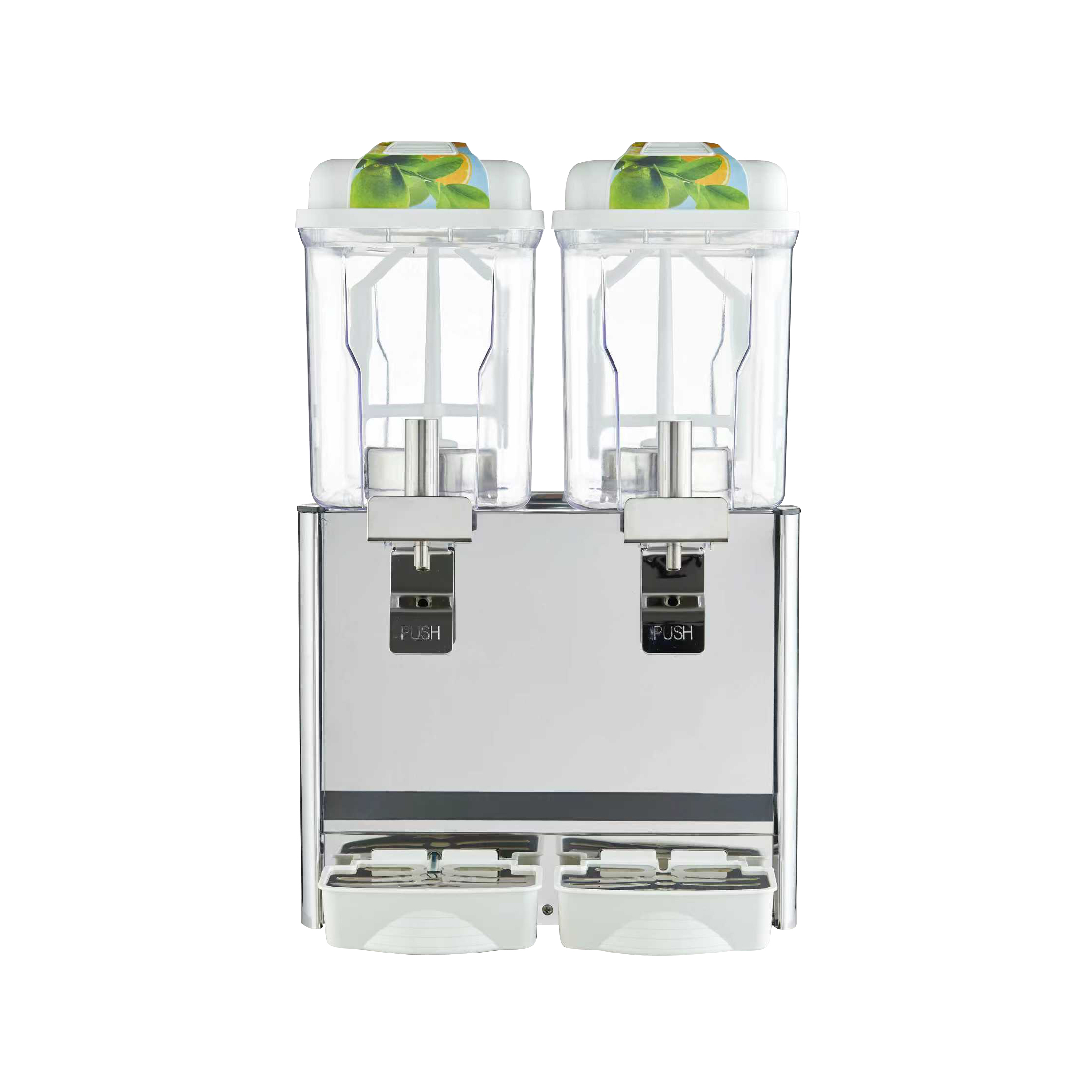
Core Evaluation Dimensions for a Drink Dispenser
Let us measure your exact spatial configuration first. You must calculate footprint depth and height clearance precisely. Shopping mall kiosks offer incredibly limited counter space. You compete for every square inch of available room. Enclosed kiosk spaces also restrict natural airflow significantly. You must ensure adequate ventilation space around the internal compressor. Restricted airflow causes compressors to overheat and fail prematurely. Manufacturers specify minimum clearance gaps for a reason. Ignoring these gaps voids warranties and ruins equipment quickly.
Plumbing constraints often dictate your viable equipment choices entirely. You must carefully assess your specific mall lease rules. Does your location permit a permanent, direct water line? If not, you must choose a pour-over reservoir model instead. You must also manage drainage solutions effectively. Mall kiosks frequently lack integrated floor drains. You will need reliable condensation and high-capacity spill trays. Overflowing trays create massive slip hazards for your employees.
Electrical loads present another major operational hurdle. You must match the power requirements of your chosen Drink Dispenser to your exact setup. Determine whether you have 110V or 220V circuitry available. Check your kiosk’s dedicated breaker capacity carefully. Overloading a circuit during a Saturday afternoon rush spells disaster. Your entire kiosk could lose power instantaneously. Always consult a certified electrician before finalizing any equipment purchases.
Implementation Risks and Operational Realities
Health code compliance remains absolutely mandatory for survival. You must explicitly verify NSF (National Sanitation Foundation) ratings. UL (Underwriters Laboratories) commercial electrical ratings are equally critical. Using uncertified equipment risks immediate health department shutdowns. Inspectors penalize non-compliant kiosks heavily during surprise visits. Food-grade materials prevent chemical leaching into your beverages. Commercial certifications prove your equipment meets strict safety standards.
Consider staff adoption and employee turnover rates carefully. Complex machines drastically increase your daily labor costs. Staff must handle daily breakdown, cleaning, and reassembly tasks. Difficult cleaning procedures increase the risk of bacterial contamination. Frustrated employees often take shortcuts during closing shifts. You want highly intuitive, easily manageable equipment instead. Simple sanitation routines keep your staff efficient and compliant. Proper training modules take minutes rather than hours.
Evaluate vendor maintenance and warranty support closely. Review their Service Level Agreement (SLA) response times thoroughly. A broken machine in a mall kiosk means zero revenue. Commercial warranties must firmly guarantee rapid on-site repair. Standard residential warranties become instantly void in commercial settings. You need certified technicians available immediately upon request. Spare parts must ship overnight to minimize costly downtime.
The Shortlisting Logic: Making Your Final Decision
Selecting the perfect unit requires a highly systematic approach. Guesswork leads to expensive mistakes and operational headaches. Follow this proven shortlisting logic carefully to ensure success.
- Step 1: Audit Your Infrastructure completely. Document your available voltage and exact counter dimensions carefully. Note your specific water access capabilities before browsing models. Never assume your kiosk supports complex plumbing installations automatically.
- Step 2: Calculate Projected Peak Volume accurately. Determine your required drinks-per-hour target based on foot traffic. Focus heavily on Saturday mall rushes to filter out underpowered units. A machine failing during peak hours destroys daily profitability.
- Step 3: Evaluate Merchandising Impact thoughtfully. Decide how your beverage attracts customers visually. Clear bowl systems highlight colorful liquids beautifully for impulse buyers. Conversely, branded fountain valves leverage existing corporate brand recognition effectively.
- Step 4: Request Demo and Spec Sheets proactively. Verify the machine's specific thermal recovery time. Understand exactly how fast it cools the next batch. Always review routine maintenance schedules provided directly by the manufacturer.
Implementing this framework narrows your options significantly. You eliminate unsuitable models before spending any capital. This logical progression protects your business from costly missteps.
Conclusion
Choosing the right commercial equipment represents a vital strategic decision. This single choice directly impacts your operational flow immensely. It also dictates your long-term profit margins and brand reputation. We strongly recommend prioritizing unwavering reliability and strict health code compliance. Ease of maintenance should always outweigh purely aesthetic features. Never prioritize a low initial purchase price over continuous durability.
Take immediate action today to secure your operational success. Audit your kiosk's specific utility connections thoroughly this week. Document your unique electrical and plumbing limitations clearly. Create a comprehensive vendor evaluation checklist based on our framework. Begin shortlisting highly rated machines matching your precise infrastructure. You will secure continuous revenue by investing wisely now.
FAQ
Q: What is the difference between a residential and a commercial cold drink machine?
A: Commercial units feature robust, continuous compressor duty cycles. They handle endless operation without overheating. They also possess food-grade material certifications like NSF. These machines easily maintain safe holding temperatures during high-volume dispensing. Residential units simply lack this durability. They quickly fail in demanding retail environments.
Q: Can I use a commercial drink dispenser in a kiosk without a direct water line?
A: Yes, you have several viable options available. You can utilize manual pour-over reservoir models. Alternatively, integrate external water pump systems like Flojet. These connect directly to standard 5-gallon jugs. However, this specific setup requires significantly more manual labor for constant refilling.
Q: How often does a commercial juice dispenser need to be cleaned?
A: Standard health codes dictate very strict daily cleaning schedules. Machines handling dairy or fresh juices require full daily breakdown and sanitation. Post-mix fountain systems require daily exterior nozzle cleaning. They also need periodic internal line flushing to prevent dangerous bacterial growth.
Q: What electrical setup is required for mall kiosk beverage machines?
A: Most commercial units require a dedicated 15-amp or 20-amp circuit. This prevents dangerous tripped breakers during peak operation. High-capacity frozen beverage machines often require powerful 220V connections. You must verify these specific electrical requirements with your mall management beforehand.


