For scaling drink shop owners, the transition from making juices to order to establishing a streamlined, higher-volume production system is the hardest operational hurdle. You cannot simply buy a larger blender and expect better margins. Upgrading equipment involves more than raw output speed. It fundamentally requires mitigating labor costs, standardizing flavor profiles, and maximizing raw ingredient yield across every shift. Every drop of wasted juice compounds your operational expenses.
Selecting the right industrial-grade equipment demands moving past simple sticker-price comparisons. You must evaluate extraction efficiency, analyze workflow integration, and calculate comprehensive long-term operational costs. In this guide, you will learn how to optimize your production layout and protect your profit margins. We will explore core extraction technologies and explain how seamlessly connecting your prep station to your final dispensing unit transforms your business efficiency.
Key Takeaways
- Evaluate by Cost-Per-Liter: Shift equipment investment criteria from upfront Capital Expenditure (CAPEX) to long-term Operational Expenditure (OPEX), factoring in yield and labor.
- Match Technology to Ingredients: Centrifugal, screw press, and cold-press systems offer different trade-offs between processing speed and oxidation rates; no single machine handles all produce types perfectly.
- Prioritize Uptime Over Speed: Cleaning and recipe changeovers are the biggest hidden costs. Modular systems with Clean-in-Place (CIP) capabilities drastically reduce downtime.
- Close the Loop: Seamlessly integrating extraction equipment with a commercial cold drink machine preserves product integrity and minimizes cross-contamination before point-of-sale.
1. The Real Cost of Inefficiency: When to Upgrade Your Juice Machine
Many shop owners wait too long to upgrade their primary extraction setup. They rely on consumer or light-commercial units well past their intended operational limits. This volume threshold represents the breaking point where your equipment actively degrades your profitability. Light-duty motors suffer from thermal throttling during peak hours. They heat up, slow down, and transfer unwanted warmth to your fresh produce. This heat accelerates oxidation and fundamentally alters the flavor profile of your beverages.
You must also weigh labor against yield. Manual preparation devours labor hours. Peeling, coring, and chopping ingredients to fit into narrow feed chutes wastes valuable staff time. Furthermore, inefficient extraction leaves vital juice behind in the pulp. A seemingly minor 5-10% drop in extraction yield compounds significantly over a fiscal quarter. You are essentially throwing sellable product into the compost bin every single day.
Operational bottlenecks cripple shops offering diverse menus. Multi-recipe production requires constant washing of entry-level machines between different blends. This destroys your Overall Equipment Effectiveness (OEE). To know if you have hit the upgrade threshold, look for these three warning signs:
- Your staff spends more than 20% of their shift cleaning the extractor.
- You notice wet, heavy pulp, indicating poor extraction efficiency.
- Machine overheating forces you to pause production during rush hours.
When you spot these bottlenecks, it is time to invest in a commercial Juice Machine designed for continuous, heavy-duty processing.
2. Core Extraction Technologies: A Decision Framework for Menus
Selecting the correct extraction method dictates your shop's menu capabilities. No single machine processes every type of produce perfectly. You must match the technology to your core ingredients.
Centrifugal extractors remain popular for high-volume, rapid-turnover service. They excel at processing high-water-content fruits like apples and cucumbers. Fast-spinning blades shred the produce, and centrifugal force separates the liquid. However, this method introduces significant air during extraction. The resulting aeration increases oxidation risks. You must serve these beverages immediately to prevent shelf stability degradation.
Screw presses, often called masticating systems, offer a different approach. They work best for fibrous ingredients requiring high compaction force. Think ginger, leafy greens, and dense root vegetables. They operate at slower speeds but deliver higher overall yields. They also generate less heat and incorporate less air, resulting in a nutrient-dense, vibrant product.
For centralized production facilities operating a hub-and-spoke model, hydraulic or belt presses become necessary. These scaled operations handle massive volumes. However, they carry high upfront costs and demand a large physical footprint. Operators must adhere to the "press once" rule. Attempting a secondary pressing yields minimal extra volume but doubles machine time, destroying throughput efficiency.
Extraction Technology Comparison Chart
| Technology Type | Ideal Ingredients | Core Advantage | Main Limitation |
| Centrifugal Extractor | Apples, citrus, high-water fruits | Exceptional speed; lower initial cost | High oxidation; short shelf life |
| Screw Press (Masticating) | Ginger, kale, root vegetables | High yield; low heat generation | Slower processing times |
| Hydraulic / Belt Press | All mixed bulk produce | Maximum extraction purity | Large footprint; batch-based limits |
3. Integrating the Cold Drink Machine: Preserving Quality at the Point of Sale
Producing a premium beverage represents only half the battle. A high-end extraction setup is only as profitable as the dispensing system holding the final product. You must build a secure bridge between production and customer service. Without proper holding equipment, your freshly pressed liquids will degrade before they ever reach the cup.
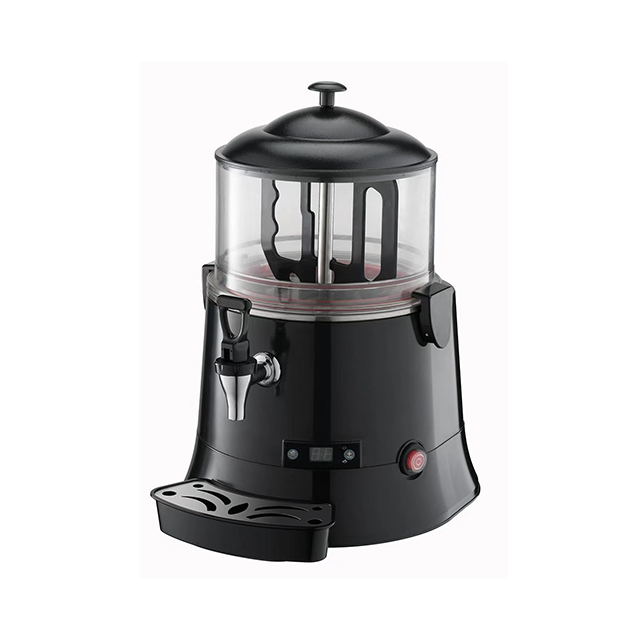
Agitation and temperature control form the foundation of quality retention. Fresh, unpasteurized juices naturally separate over time. Heavy suspended solids sink to the bottom, while lighter liquids float to the top. To combat this, you need a commercial Cold Drink Machine equipped with gentle agitation capabilities. Look for models utilizing slow paddle or magnetic stirrers. These mechanisms prevent the natural separation of solids without aerating the liquid. Vigorous mixing introduces oxygen, which ruins the flavor profile.
Deoxygenation directly impacts shelf life. Minimizing air exposure during the transfer from extraction to the chilling unit limits enzymatic browning. This careful handling preserves essential nutrient profiles, including fragile anthocyanins and vitamin C. When you lock the liquid into a properly chilled, airtight dispensing environment, you extend its viable selling window and protect your brand's reputation for freshness.
4. Managing OPEX: Workflow, Uptime, and Layout Optimization
You can purchase the most advanced equipment available, but poor kitchen logistics will still drain your budget. Managing your operational expenses requires a strategic approach to physical layout and daily scheduling.
We recommend establishing a strictly linear workflow layout. You must create a physical separation between raw material preparation and final bottling. Washing and cutting stations should never overlap with extraction and dispensing zones. This physical boundary prevents cross-contamination and ensures you meet strict food safety standards. Keep the dirty tasks isolated from the clean production areas.
Batching strategies also dictate your daily efficiency. Many shop owners make the mistake of processing on-demand. Instead, advise your team to schedule production based on recipe duration and color profiles. Start with light-colored recipes and move toward darker, stronger-flavored blends like beet or ginger. Consolidating these batches minimizes the need for intermediate filter changes and full machine tear-downs.
Finally, evaluate your equipment based on Clean-in-Place (CIP) viability. Sanitation protocols consume massive amounts of labor. Equipment featuring easily detachable, dishwasher-safe stainless steel components changes the game. Built-in CIP functions allow operators to flush the system automatically between similar batches. This drastically reduces labor hours and keeps your machines running rather than sitting idle in the wash sink.
5. Navigating Safety Compliance and Product Stabilization
Scaling your operations brings increased regulatory scrutiny. You must navigate safety compliance proactively to avoid costly fines or forced closures. The rules shift dramatically depending on your sales model.
Retail regulations govern made-to-order operations where the customer consumes the beverage immediately. These rules generally focus on basic sanitation and proper refrigeration. Wholesale regulations present a much higher hurdle. If you plan to bottle your product and sell it to third-party cafes or grocery stores, local health departments usually require strict Hazard Analysis Critical Control Point (HACCP) plans and rigid nutritional labeling.
Pasteurization considerations become unavoidable in wholesale. You must choose between High-Temperature Short-Time (HTST) and High-Pressure Processing (HPP). HTST heats the liquid quickly to kill bacteria but can slightly alter the fresh flavor. HPP uses extreme cold water pressure to destroy pathogens while preserving the raw taste profile. However, HPP involves a multi-million-dollar capital expenditure. It remains generally unsuited for standard drink shop owners unless they partner with a specialized co-packer.
Always verify material standards when purchasing commercial equipment. All food-contact surfaces must consist of 304 or 316-grade stainless steel. Citrus fruits are highly acidic. Cheaper metals will pit, rust, and eventually harbor dangerous bacteria. Food-grade stainless steel resists this corrosion, ensuring long-term safety and compliance.
6. How to Shortlist Your Next Equipment Investment
Do not finalize your equipment purchases based solely on glossy spec sheets or impressive raw RPM numbers. You need a structured evaluation dimension to guarantee a return on your investment.
- Assess Supplier Infrastructure: A great machine is useless if you cannot fix it. Evaluate local technician availability before buying. Review the warranty terms carefully. Ask the manufacturer about the average lead time for replacement parts like screens and augers.
- Calculate the Comprehensive Production Cost: Shift your mindset away from the initial sticker price. Use this simple metric to find the true cost: (Upfront Cost + Annual Maintenance + Estimated Labor for Cleaning) / Projected Annual Liters Produced. This formula reveals the actual price of putting a liter of product in a cup.
- Demand Scalability: Your shop will hopefully grow. Opt for modular systems that grow with you. Ensure the manufacturer offers add-ons like automatic hoppers, elevator feeders, or larger catch bins. You want equipment that adapts to your future daily output.
Conclusion
Upgrading a drink shop's production capability represents a delicate balance of extraction physics, workflow optimization, and strict cost-per-liter accounting. You must move away from inefficient consumer units and invest in systems that prioritize high yield and maximum uptime. Connecting your extractor to a reliable holding and dispensing unit ensures your customers taste the quality you worked so hard to produce.
Your immediate next step is to audit your current operations. Track your weekly produce waste. Document the exact labor hours your staff spends cleaning your current setup. Establishing this baseline will give you the hard data needed before requesting equipment quotes from commercial manufacturers. Armed with these numbers, you can confidently build a highly profitable, scalable beverage program.
FAQ
Q: What is the difference between a commercial juice machine and a cold-press machine?
A: A commercial extractor usually utilizes continuous centrifugal or masticating methods for fast, on-demand output. A true cold-press machine relies on a batch-based hydraulic press. Cold-pressing operates much slower but yields a purer product with zero heat generation and minimal oxidation, extending shelf life significantly.
Q: How do I prevent fresh juice from separating in a cold drink machine?
A: Natural separation occurs because suspended fruit solids are heavier than water. To prevent this without causing aeration, you must use dispensing units featuring built-in, low-speed agitation mechanisms. Gentle paddle stirrers or magnetic mixers keep the solids evenly distributed throughout the liquid.
Q: Does higher machine speed mean better profitability?
A: No. Uptime and ingredient yield dictate profitability far more than raw motor RPM. Extremely fast speeds often decrease extraction efficiency, leaving wet pulp behind. They also increase heat and oxidation. Prioritizing consistent extraction and faster cleaning times yields better long-term financial results.
Q: Do I need a pasteurizer for my drink shop?
A: It depends entirely on your business model. Direct-to-consumer shops serving beverages for immediate consumption typically do not require pasteurization. However, if you plan to pre-bottle and wholesale your beverages to third-party retailers, local health codes strictly require pasteurization or HPP treatment for safety compliance.


