A Commercial Refrigerator functions as the true heartbeat of any professional kitchen. You must view it as a critical operational asset. It stands far above a simple kitchen appliance. Equipment failure directly triggers severe and immediate consequences. Operations grind to a complete halt instantly. You immediately face lost perishable inventory. You risk severe health code violations. You suffer revenue-crushing downtime during peak service hours. The hidden costs of reactive maintenance quietly drain your profitability over time. Escalating energy bills heavily impact your monthly overhead. Emergency dispatch fees ruin your annual maintenance budgets. Premature compressor failure forces unexpected and massive capital expenditures. Moving from reactive repairs to a standardized preventative framework changes everything. We will show you how consistent upkeep maximizes equipment viability. You will learn to split duties between daily staff and certified professionals. We also explore strict compliance standards and sensible replacement strategies. Implementing these structured methods will successfully extend your cooling equipment lifecycle.
Key Takeaways
- Routine vs. Technical: Splitting maintenance into daily staff SOPs and bi-annual certified technician inspections prevents 70% of catastrophic failures.
- Energy Efficiency: Neglected condenser coils and compromised door gaskets are the leading causes of compressor overwork and utility spikes.
- Compliance Ready: Documented temperature logging and regular drain line clearing are non-negotiable for strict health department audits.
- Lifespan Economics: Implementing a proactive maintenance schedule extends the standard 10-15 year equipment lifecycle while deferring massive capital replacement costs.
The Financial ROI of Preventative Commercial Refrigerator Maintenance
Deferred maintenance silently destroys your bottom line. It causes severe financial impact long before the equipment completely stops working. Consider the fundamental mechanics of refrigeration heat exchange. If cooling efficiency drops by merely ten percent, your compressor compensates automatically. It must run twenty percent longer to reach the target temperature. This overwork directly inflates your monthly utility bills. It also accelerates mechanical wear on vital internal components. You pay much more for electricity while simultaneously degrading the machine.
Quantifying these risks reveals a compounding financial disaster. Imagine a sudden breakdown on a busy Saturday evening. You must immediately summon an emergency HVAC technician. Weekend dispatch rates easily triple standard hourly fees. While you wait, internal cabin temperatures rise rapidly. Your premium cuts of meat spoil quickly. Your delicate dairy products sour within hours. You must throw this expensive inventory into the trash. The kitchen stops serving core menu items. Frustrated guests leave negative reviews online. The total financial damage vastly exceeds the simple repair bill.
You must define clear success criteria for your maintenance program. A successful strategy yields stabilized energy consumption month over month. It guarantees zero compliance infractions during random health inspections. It creates highly predictable annual operational expenditures. You stop reacting to emergencies. You start managing a reliable asset. We outline the fundamental differences between these two management styles below.
Performance Chart: Proactive vs Reactive Maintenance Impact | Operational Metric | Proactive Strategy | Reactive Strategy |
| Energy Consumption | Stabilized and highly predictable monthly utility bills | Escalating costs due to constant compressor overwork |
| Breakdown Probability | Highly minimized through scheduled early interventions | Random, frequent, and catastrophic emergency failures |
| Inventory Protection | Maximum protection against premature spoilage | High risk of massive perishable food loss |
| Asset Lifespan | Consistently reaches 10 to 15 years of service | Fails prematurely between 5 to 8 years |
Establishing In-House SOPs vs. Professional Servicing
Kitchen managers must draw a clear boundary regarding equipment care. Front-line staff handle daily sanitation and basic visual checks. Certified refrigeration technicians handle complex mechanical and electrical diagnostics. Blurring these lines leads to dangerous oversights. We outline both scopes to help you organize your daily operations.
Front-Line Staff Duties (Daily/Weekly)
Your kitchen crew acts as the first line of defense. They interact with the equipment constantly. You must train them to perform specific tasks systematically.
- Wipe down interior and exterior surfaces daily. Use non-corrosive, food-safe sanitizers exclusively. This prevents the chemical degradation of stainless steel panels.
- Visually inspect door gaskets every single shift. Look closely for micro-tears or weak magnetic seals.
- Monitor internal thermostat readings frequently. Log these temperatures diligently to catch micro-fluctuations early.
- Sweep the immediate floor area around the unit. Remove ambient dust before it enters the lower intake vents.
Certified Technician Scope (Bi-Annually)
Professionals bring specialized diagnostic tools. They inspect components hidden behind protective panels. You should hire them twice a year for deep evaluations.
- Check the total refrigerant charge and operating pressures.
- Inspect internal copper lines for microscopic gas leaks.
- Calibrate all automated defrost cycles for maximum efficiency.
- Test structural electrical connections for safe voltage continuity.
- Deep-clean the internal evaporator coils thoroughly.
- Verify the exact compressor amp draw matches factory specifications.
Staff turnover remains a harsh reality in busy kitchens. Training quickly fades when seasoned employees leave for other jobs. You must create foolproof operational systems. Print clear, laminated checklists. Attach them directly to your Commercial Refrigerator doors. This visual presence guarantees accountability. It ensures proper maintenance regardless of who works the late closing shift.
Standard Maintenance Schedule Division | Task Frequency | Assigned Personnel | Core Action Required |
| Daily | Kitchen Staff | Sanitize handles, wipe internal spills, check temperatures. |
| Weekly | Kitchen Staff | Inspect door gaskets, clear floor debris near vents. |
| Monthly | Kitchen Management | Brush exterior condenser coils, test hinge alignment. |
| Bi-Annually | Certified Technician | Calibrate defrost timers, check refrigerant, test electrics. |
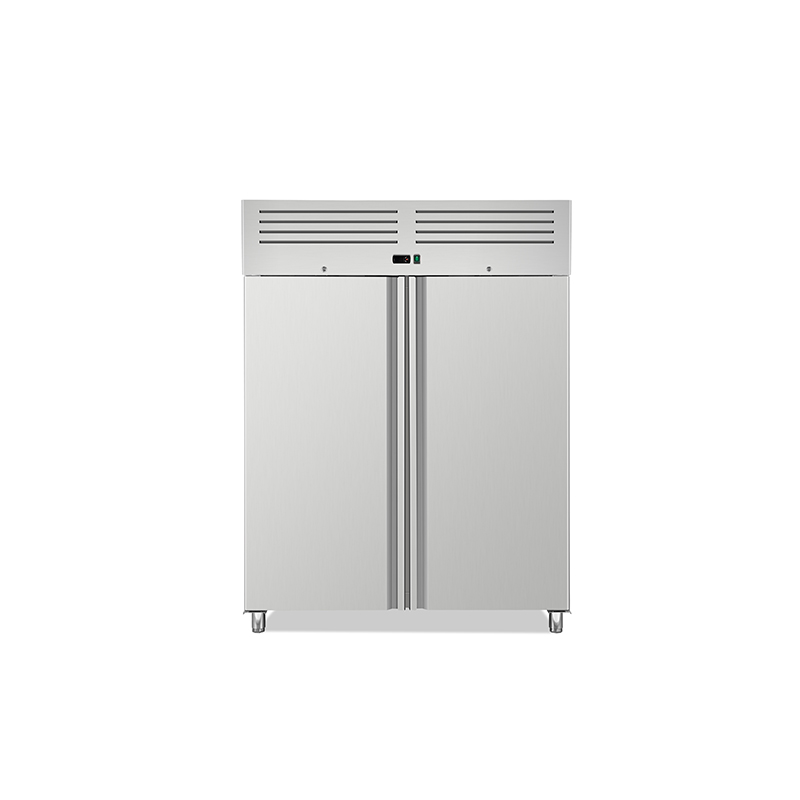
Critical Wear Points: Evaluating Your Commercial Refrigerator's Health
Knowing exactly where to look prevents sudden mechanical failures. We guide you through the primary degradation zones. You can visually assess equipment health without needing special engineering tools. Focus your attention on these high-stress areas.
Condenser coils act as the lungs of your machine. Ambient kitchen grease atomizes into the hot air. Dust mixes directly into this floating grease. This toxic mixture heavily insulates the delicate condenser coils. Heavily insulated coils cannot release absorbed heat efficiently. This fatal heat buildup quickly destroys the main compressor. Kitchen staff must actively brush and vacuum these coils every single month. Grab a stiff nylon brush. Gently scrape the aluminum fins in a vertical motion. Never brush horizontally. Horizontal strokes will permanently bend the delicate metal fins. Suction the loosened debris away completely using a shop vacuum.
Ice buildup signals severe trouble. Pooling water on the interior floor indicates failing internal components. These obvious symptoms point toward clogged drain tubes. They also suggest failing evaporator fan motors. You must clear these drainage lines quickly. Flush them using warm water and a flexible nylon brush. Standing water breeds harmful bacteria rapidly.
You must evaluate gasket integrity routinely. Perform the dollar bill test monthly. Close the equipment door over a paper bill. Pull the bill outward firmly. If it slips out easily, your magnetic seal has failed completely. Sagging hinges exert intense mechanical stress on heavy doors. They allow ambient hot air to constantly infiltrate the cooling zone. Adjust the hinge tension brackets to maintain a perfectly square alignment.
Generic maintenance timelines often fail in reality. High-volume environments dictate much tighter service schedules. If you position your equipment near deep fryers or busy ovens, degradation happens much faster. Airborne flour and heavy grease choke intake vents quickly. You must base your actual maintenance frequency on these specific ambient conditions.
Compliance, Food Safety, and Audit-Readiness
Food safety remains paramount in professional culinary environments. Maintenance directly ties into stringent FDA Food Code compliance. Local health departments enforce these standards rigorously across the industry. You cannot operate a legal kitchen without proving equipment reliability.
You must maintain perfect internal temperature integrity. Keep the primary cabin strictly between 35°F and 38°F (1.6°C to 3.3°C). This narrow thermal window stops rapid bacterial growth effectively. It protects vulnerable perishable proteins perfectly. Temperatures above 40°F invite biological disaster. Dangerous pathogens multiply exponentially in warmer environments. A failing cooling system puts your loyal customers at severe health risk. It also invites immediate operational closure from visiting health inspectors.
Unchecked internal condensation breeds dangerous mold varieties. Dirty fan blades compound this severe contamination risk. Rotating blades blow accumulated mold spores directly onto open prep pans. This cross-contamination ruins fresh ingredients instantly. It violates major public safety codes. You must sanitize fan guards and ceiling panels weekly to prevent spore circulation.
You need a solid administrative paper trail. Maintain detailed digital or physical maintenance logs. Keep highly accurate daily temperature records. This precise documentation acts as a powerful liability shield. It proves your operational due diligence during unexpected audits. Health inspectors aggressively target temperature compliance. They respect proactive documentation heavily. A complete paper trail proves your commitment to public safety.
Repair vs. Replace: Making the End-of-Life Decision
Equipment eventually reaches a point of mechanical no return. You need a reliable logical framework to evaluate aging assets. Applying the right evaluation logic prevents endless repair bills. We recommend specific guidelines to help you navigate this transition.
Follow the proven fifty percent rule strictly. Sometimes a complex repair estimate arrives on your desk. You must compare this estimate against the price of a brand new unit. Suppose the repair costs exceed half the value of a new replacement. You must check the current warranty status immediately. If the original manufacturer warranty has expired completely, stop repairing it. Replacement becomes the only fiscally sound choice. Pouring large sums of cash into failing hardware guarantees future breakdowns. You effectively waste your limited operating budget.
Older units hide serious regulatory risks. Many legacy machines utilize outdated chemical refrigerants. Common examples include R-22 or R-404A compounds. Global environmental regulations now heavily restrict these specific substances. Future chemical recharges will become incredibly scarce. Technicians will charge massive premiums for these fading resources. Eventually, recharging these older systems becomes entirely illegal. You cannot run a compliant kitchen on banned materials. You must factor this regulatory phase-out timeline into your long-term replacement strategy.
You must evaluate modern alternatives proactively. If your current unit requires constant mechanical life support, start browsing immediately. A new Commercial Refrigerator offers vastly superior insulation technology. It utilizes modern eco-friendly refrigerants. It drops your monthly utility bills drastically through advanced digital compressors. It restores reliability to your kitchen workflow.
Conclusion
Extending the lifespan of your cooling equipment requires true operational dedication. It demands a smart blend of daily staff discipline and scheduled professional oversight. You must train your crew to respect the machinery. You must partner with certified technicians for deeper diagnostic evaluations.
Maintenance never operates as a wasted expense. It functions as a vital insurance policy for your kitchen. It protects your expensive inventory from sudden spoilage. It secures your daily operational flow against catastrophic interruptions.
Stop waiting for a devastating weekend failure. Schedule a comprehensive preventative maintenance audit with a certified technician today. If your current equipment consistently fails beyond reasonable repair, browse new models immediately. Protect your kitchen, safeguard your inventory, and upgrade your operational standards.
FAQ
Q: How often should a commercial refrigerator be serviced by a professional?
A: You should schedule a professional service minimum twice a year. However, high-grease environments require much more attention. If your unit sits near open fryers or heavy griddles, you must require quarterly coil cleanings. Airborne grease heavily insulates mechanical components. More frequent professional visits prevent this greasy buildup entirely.
Q: What is the average lifespan of a commercial refrigerator?
A: These heavy units typically last 10 to 15 years with strict maintenance. They usually fail in 5 to 8 years if neglected. The main compressors break down first under poor conditions. Regular coil cleaning and prompt gasket replacements easily push the equipment toward its maximum functional lifespan.
Q: Why is my commercial refrigerator running constantly?
A: Several common issues force the system to overcompensate. You likely have dirty condenser coils trapping excess heat. You might also have torn door gaskets leaking cold air. Significantly low refrigerant levels also force the compressor to run continuously. A constant run cycle indicates immediate mechanical distress.
Q: Can I use standard cleaning chemicals on the interior?
A: No. You must avoid harsh chemical cleaners completely. Abrasive formulas erode the delicate protective coating on internal evaporator coils. They also degrade the magnetic door seals prematurely. Always utilize mild, food-safe detergents to protect internal surfaces. This prevents dangerous chemical contamination near open food pans.


