Commercial kitchens face relentless wear, high-moisture environments, and strict health code scrutiny every single day. Facility planners and operators know these intense conditions demand equipment capable of surviving constant physical abuse. Failing to install the correct surfaces often leads to failed health inspections, rampant bacterial growth, and serious workflow bottlenecks. You need reliable operational solutions to keep fast-paced service running smoothly.
This comprehensive guide provides a practical framework for evaluating and sourcing commercial-grade materials. You will discover exactly how to analyze material grades, determine proper gauge thickness, and identify manufacturing quality indicators. The following sections also detail essential maintenance practices required to maximize equipment lifespan.
Not all materials perform equally under intense pressure. Procurement decisions must carefully balance structural durability, rigid hygiene compliance, and daily workflow demands. By understanding these specific technical specifications deeply, you can select optimal equipment setups. This proactive approach prevents premature structural failures and ensures seamless daily operations.
Key Takeaways
- Compliance is non-negotiable: True commercial stainless steel furniture must meet local health department and NSF standards for non-porous, easily cleanable surfaces.
- Material specs dictate lifespan: Grade (304 vs. 430) and gauge (14 to 18) directly impact corrosion resistance and load-bearing capacity.
- Construction methods matter: Fully welded joints offer superior durability and pest resistance compared to riveted or bolted alternatives.
The Business Case for Stainless Steel Kitchen Furniture
Selecting the right materials for a food service facility directly impacts daily operations and regulatory standing. The operational environment demands surfaces that handle constant use without degrading. Proper material selection ensures facilities avoid repetitive replacements and continuous structural maintenance.
Hygiene and Health Code Compliance
Microscopic crevices in wood or commercial plastics harbor dangerous pathogens easily. Bacteria colonize these hidden spaces quickly. Stainless steel presents a dense, non-porous surface. It forms a microscopic passive oxide layer naturally. This protective layer prevents bacteria from penetrating the material substrate. True commercial units meet strict NSF/ANSI Standard 2 requirements for food equipment. These standards mandate smooth, easily cleanable surfaces across all prep zones. Inspectors actively look for non-compliant materials during routine audits. Utilizing the right non-porous surfaces guarantees compliance and prevents cross-contamination during high-volume service hours.
Durability versus Lower-Grade Alternatives
Many alternative materials fail rapidly in commercial settings. Aluminum bends and dents from heavy pots. Galvanized steel flakes over time, exposing the raw iron underneath to rapid rusting. Commercial plastics warp under continuous heat or degrade under harsh ultraviolet lights. In stark contrast, proper steel alloys deliver zero-replacement lifespans when maintained correctly. They withstand daily physical impacts from heavy meat tenderizing, dropped pans, and sliding equipment. The structural integrity remains intact for decades. This extraordinary lifespan eliminates the operational disruptions caused by replacing broken prep tables or collapsed shelving.
Thermal and Chemical Resilience
Kitchens experience extreme and rapid temperature shifts constantly. Chefs move blistering hot pans directly from salamanders to worktables. Blast chillers create freezing, high-humidity storage environments. Weaker materials warp, melt, or shatter under these severe thermal shocks. Stainless steel absorbs extreme temperature fluctuations seamlessly. It also resists harsh chemical sanitizers. Nightly cleaning protocols rely on heavy degreasers and quaternary ammonium compounds. These aggressive cleaning agents break down plastic composites. Superior steel alloys withstand these chemical applications without losing their structural strength or surface finish.
Decoding Material Specs: Grades and Gauges for Decision Makers
Understanding the metallurgical differences between various units prevents you from under-speccing equipment for heavy zones or over-speccing for light zones. The grade determines the chemical resistance, while the gauge determines the physical strength.
Selecting the Right Steel Grade
The grade refers to the specific mixture of metals in the alloy. Chromium and nickel provide the rust-fighting properties.
Type 304: This represents the gold standard for the industry. It contains high levels of nickel and chromium. This composition provides exceptional corrosion resistance. We recommend Type 304 for wet prep areas, dishwashing stations, and general heavy-duty use. It repairs its own oxide layer quickly when scratched.
Type 430: This serves as an economical, standard-duty alternative. It contains significantly lower nickel content. Type 430 remains highly prone to rust in high-moisture or acidic environments. You should strictly limit Type 430 equipment to dry storage rooms or baking prep stations where moisture exposure remains minimal.
Type 316: This specialized marine and medical grade includes molybdenum. Molybdenum offers extreme resistance to severe pitting. You only need Type 316 if your facility processes highly acidic foods, handles concentrated saline solutions, or operates directly near ocean saltwater environments.
Material Grade Comparison | Steel Grade | Nickel Content | Corrosion Resistance | Ideal Kitchen Zone |
| Type 304 | High (8-10.5%) | Excellent | Wet prep, dishwashing, general use |
| Type 430 | Low (0-0.75%) | Moderate | Dry storage, baking stations |
| Type 316 | High (10-14%) | Superior | Acidic processing, saline environments |
Understanding Steel Gauge (Thickness)
The gauge system measures material thickness using an inverted scale. A lower number indicates thicker, heavier metal. Facility planners frequently underestimate the necessary thickness, resulting in tables that bow under heavy loads.
18-Gauge: This thickness provides an economical solution for light-duty tasks. It suits basic wall shelving and sandwich prep areas. It cannot support heavy countertop equipment.
16-Gauge: This serves as the standard workhorse thickness for commercial food service. Most facilities rely on 16-gauge surfaces for daily operations. It balances physical strength with manageable equipment weight.
14-Gauge: This heavy-duty classification handles immense physical stress. You must use 14-gauge metal for butcher blocks, heavy equipment stands, and high-impact zones. Striking a meat cleaver requires this robust foundational support.
Gauge Thickness Chart Comparison | Gauge Level | Relative Thickness | Impact Resistance | Best Application |
| 18-Gauge | Thinnest (approx. 0.050") | Low | Light prep, basic storage, sandwich stations |
| 16-Gauge | Standard (approx. 0.063") | Medium | Standard worktables, general daily operations |
| 14-Gauge | Thickest (approx. 0.078") | High | Equipment stands, butcher blocks, chopping stations |
Best Practices for Material Selection
- Match the steel grade to the room's baseline humidity level.
- Specify thicker gauges for areas receiving heavy countertop mixers.
- Always request explicit material spec sheets prior to ordering equipment.
Core Categories of Stainless Steel Kitchen Furniture to Evaluate
When outfitting your facility, selecting the right Stainless Steel Kitchen Furniture requires matching specific design features to your operational workflow.
- Worktables and Prep Stations: Always look for heavy-duty underbracing. Manufacturers weld hat channels underneath the tabletop to prevent bowing. You must evaluate open-base versus undershelf designs based on your daily workflow. Open bases allow staff to roll large ingredient bins directly under the table. Undershelves provide excellent static storage for pots and pans.
- Commercial Cabinets (Wall and Base): Enclosed cabinets protect sensitive dry goods and clean equipment from ambient grease and floating flour dust. Assess sliding versus hinged doors carefully. Sliding doors save valuable aisle space in cramped areas. Hinged doors require clearance but offer complete, unobstructed access to the cabinet interior.
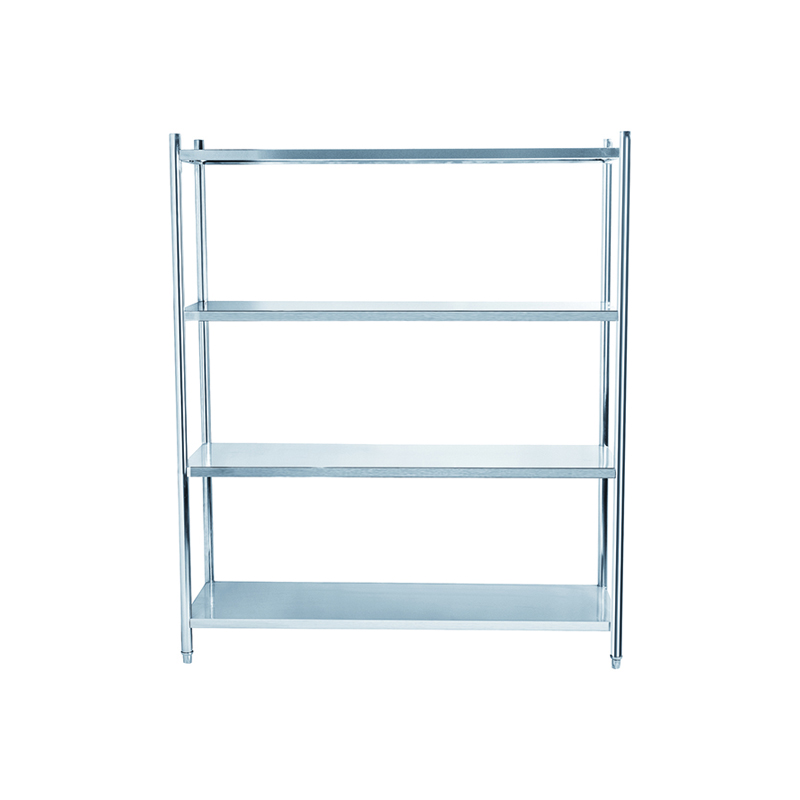
- Shelving and Racking Systems: Solid shelving contains liquid spills perfectly. If a container leaks on a top solid shelf, it will not contaminate ingredients below. Louvered or wire shelving promotes essential airflow. You need wire designs for walk-in coolers to maintain consistent cold temperatures around stored items.
How to Spot High-Quality Manufacturing and Avoid Substandard Builds
Even optimal material grades fail if the manufacturing quality falls short. Evaluating construction techniques helps you identify premium Stainless Steel Kitchen Furniture designed for rigorous daily usage.
Welding versus Fasteners
TIG-welded (Tungsten Inert Gas) seams provide permanent, highly sanitary joints. The welding process melts the metal together, leaving absolutely no gaps. Warn your procurement team against substandard builds relying heavily on rivets or bolts. Mechanical fasteners vibrate and loosen over time. They also create physical ledges. Grease vapor condenses on these hidden ledges. Food particles get trapped underneath bolted joints. Over time, these inaccessible areas become severe breeding grounds for bacteria and pests.
Edge Finishing (Hemmed Edges)
A raw cut metal edge acts exactly like a dull blade. High-speed service demands safe physical contact points for your staff. Quality manufacturers utilize rolled or hemmed edges. This process folds the sharp metal back completely onto itself. Hemmed edges eliminate laceration hazards entirely. They also add significant structural rigidity to the table perimeter, preventing edge denting during equipment transfers.
Hardware and Adjustability
Uneven commercial floors plague many older buildings. A rigid table will rock back and forth on a sloped floor. Always evaluate the inclusion of adjustable bullet feet. These feet thread up and down, allowing precise leveling. A perfectly level table ensures cutting boards remain stable during intense chopping tasks. You must also verify the inclusion of heavy-duty, non-corrosive hinges and specialized drawer glides designed to withstand high humidity.
Common Mistakes to Avoid
- Assuming all steel alloys resist rust equally across all environments.
- Accepting spot-welded equipment for high-moisture dishwashing areas.
- Ignoring the mechanical strength of drawer glides on heavy-use prep stations.
Implementation Realities: Rollout, Installation, and Maintenance
Acquiring the equipment solves only half the operational equation. Proper installation and rigorous maintenance protocols secure the actual longevity of your facility.
Custom versus Modular Sourcing Risks
Modular units ship faster and simplify logistics. They arrive flat-packed or in manageable sections. You assemble them directly inside the room, easily bypassing narrow door constraints. However, pushing two modular tables together creates a tiny physical seam. Water and flour inevitably fall into this gap. Custom fabrication maximizes your physical footprint perfectly and eliminates these frustrating seams. The trade-off involves much longer lead times and complicated revision cycles if measurements change during construction.
Installation Integration
Coordinate your new layout with existing utilities thoroughly. You must map plumbing lines, floor drains, and electrical conduits before accepting delivery. Overlooking floor drain locations causes severe headaches. If a thick table leg sits directly over a floor drain, it blocks maintenance access entirely. Pooling water under static cabinet bases creates health hazards. Ensure wall-mounted units align perfectly with load-bearing wall studs to prevent structural collapses under heavy weight.
The "Stain-less" Reality (Maintenance)
Dispel the popular myth immediately: the material is stain-less, not stain-proof. It requires strict, mandatory care protocols. Never use abrasive steel wool pads. They embed microscopic iron particles directly into the surface, which rusts rapidly. Avoid chlorine or bleach-based sanitizers completely. These harsh chemicals strip the protective passive oxide layer instantly. They cause irreversible pitting and structural degradation. Always wipe down surfaces in the direction of the metal grain using specialized non-abrasive cleaners or warm soapy water.
Conclusion
Outfitting a high-volume facility demands a strategic approach to material selection. You must audit specific work zones carefully. Separate your wet dishwashing areas from your dry baking prep stations. Separate your high-impact chopping zones from your light-duty assembly lines. Match the specific metallurgical grade and thickness gauge directly to those operational demands. Demand verifiable construction standards, including fully TIG-welded seams and safe hemmed edges.
Implementing durable Stainless Steel Kitchen Furniture eliminates continuous replacement cycles and secures health code compliance. For your next step, consult with an experienced commercial designer or direct fabricator. Measure your physical space precisely. Always request comprehensive spec sheets that explicitly list the steel grade and gauge before finalizing any purchase orders.
FAQ
Q: Does 430-grade stainless steel rust in a commercial kitchen?
A: Yes, it can rust if exposed to standing water, acidic foods like tomatoes and citrus, or high humidity environments. You should strictly restrict 430-grade equipment to dry storage zones or baking stations where moisture exposure remains minimal.
Q: How do I remove rust spots from my equipment?
A: Use a non-abrasive scrubbing pad paired with a specialized stainless steel cleaner or a simple baking soda paste. Never use wire brushes or abrasive steel wool. These embed microscopic iron particles into the surface and drastically worsen the rusting process.
Q: Is it necessary to require NSF-certified units?
A: Absolutely. NSF certification guarantees the equipment meets strict health inspector standards for cleanability and food safety. This verified compliance prevents failed health inspections, forced equipment replacements, and severe operational shutdowns.


